
A launch cue should prove that people can recognize the brand, understand the intended mood or context, and connect that promise to the eventual product reveal. It can create curiosity without revealing specifications. Test the expected promise and the transition to the buying page before approving the teaser.
The invitation starts the product story
A launch begins before the reveal. The invitation, social image, envelope, or teaser gives people their first expectation of what is coming. A polished cue can still be a poor fit if it promises a feeling or experience the product cannot support.
Creative Bloq: Apple embroidered event invitation, 11 October 2026 describes an embroidered Apple logo for its Welcome Home event invitation, crediting the artists Maricor/Maricar. The useful design observation is the connection between a familiar mark, a material treatment, and an event theme. It is not evidence that every product launch should use embroidery or that a teaser confirms rumored specifications.
Name the promise before choosing the material
Complete this sentence: after seeing the cue, the intended customer should expect a product that feels or helps them do what? Choose one primary expectation. Comfort, precision, play, and professional reliability lead to different choices in typography, sound, material, and image direction.
For a fictional home-audio startup, woven texture might suggest domestic comfort. A stark technical diagram might suggest acoustic control. Either can be appropriate, but mixing them without a clear hierarchy can leave people expecting two different products.
Keep the brand recognizable during the experiment
A launch can change how a mark is rendered while keeping its silhouette or composition intact. Identify which element carries recognition and which can vary. Test the treatment as a small social thumbnail, an email image, and a cropped press photograph, not only as a full-screen film.
A young business usually has less recognition to spend than an established brand. It may need the name beside the cue and a plain description of the category. Mystery should not make a prospective customer wonder whether they have received the wrong invitation.
Test expectations without coaching the audience
- Show the cue briefly and ask which business it comes from.
- Ask what kind of product or event they expect and what suggests that.
- Show the planned reveal and ask whether it feels like a continuation.
- Show the purchase page and ask what remains unclear.
Record the answers in the audience's words. A mismatch matters more than enthusiastic praise for the artwork. If a premium subscription tool reads as a children's game, refine the cue or reconsider the intended promise before production.
Design the transition, not just the teaser
The reveal needs a deliberate handoff: a visual detail, type treatment, phrase, or composition that connects the first impression to the actual offer. Keep room for a clear product explanation. People should not have to decode the campaign to learn what they can buy.
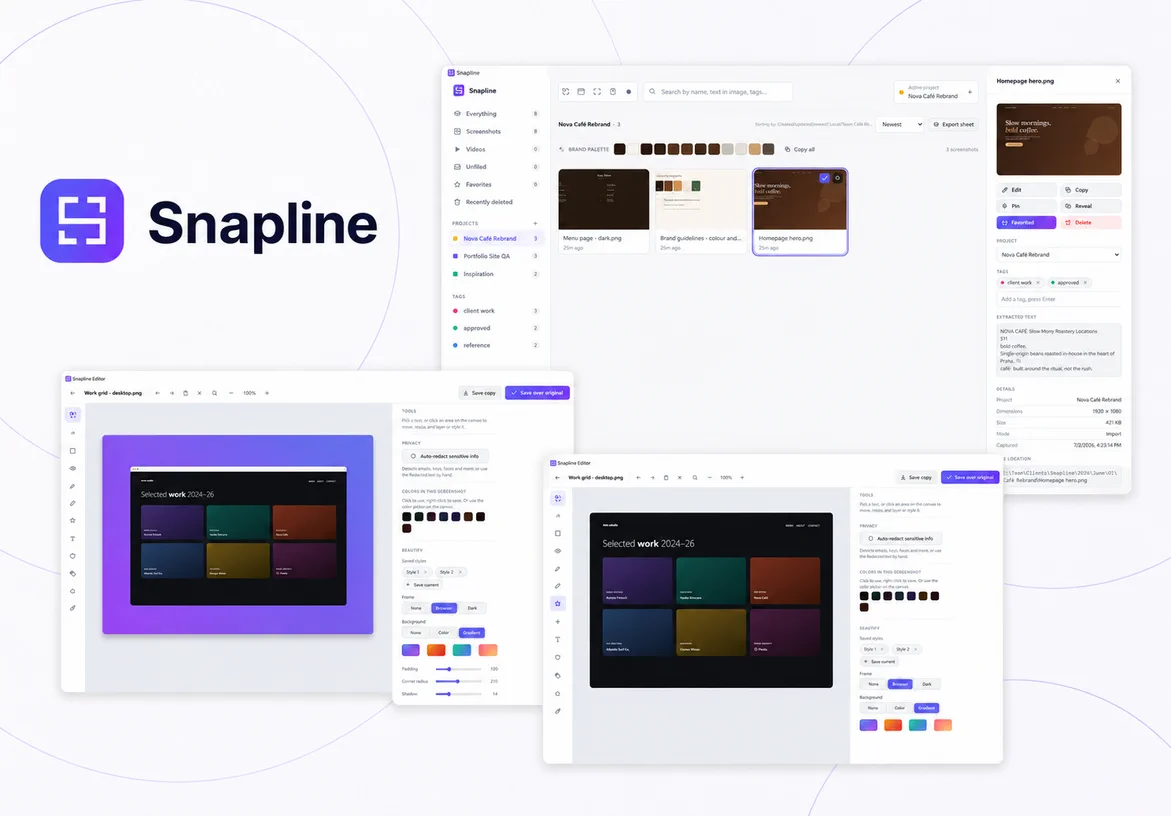
My Snapline identity and product case study offers a practical reference for a mark carried into a software interface. It shows my own product work, rather than results from an Apple-style event. The same review question applies: does the visual promise remain believable when the real product is visible?
Approve a small launch kit
Include the cue, name lockup, reveal frame, product image, short description, and purchase-page treatment in one review. Add the dates, channels, and responsible approver. A beautiful object that arrives late or reproduces badly may add less value than a simpler, reliable execution.
For physical items, prototype the actual size and production method before ordering. For digital items, test compression and contrast on a phone. The physical brand assets guide explores material experiences; this launch checklist focuses on the expectation those materials create before the offer is known.
Frequently Asked Questions
Should a teaser explain every product feature?
No. It should create an appropriate expectation and preserve enough brand and category context for the intended audience. The reveal and buying page must provide the missing product information.
Does a small brand need an expensive physical invitation?
No. Choose a format that reaches the right audience and supports a clear product promise. A well-tested digital cue can be more useful than an elaborate printed object.
Sources and Credits
Sources checked and article updated on 13 October 2026. Reported examples are attributed above; frameworks and fictional scenarios are design recommendations. Portfolio examples are my own work and do not imply measured client outcomes.
Planning a product reveal? We can test the launch identity alongside the actual product and website so the first impression leads to a clear offer. Book a free consultation or explore design services.