
Google recommends the same SEO foundations for AI features as for Search: accessible pages and helpful, reliable content. For branding articles, answer a real buyer question, explain the design judgment, and show relevant work. These choices improve usefulness and eligibility; they do not guarantee rankings or inclusion in AI answers.
Start with the buyer's decision
A founder searching for logo design advice usually needs to make a decision: whether to redesign, what to brief, which files to request, or how to choose a designer. An article is useful when it helps that decision with enough detail to act on.
Google Search Central: AI features and your website says ordinary SEO best practices apply to AI Overviews and AI Mode, with no special optimization or extra schema required. Treat AEO as a way to write clearer answers within that foundation, not a separate promise of visibility.
Give the answer before the background
Open with a direct response to the question. Then explain the conditions that could change the recommendation. For example, a logo-redesign article can distinguish poor reproduction from weak positioning before recommending an entire rebrand.
Make each section useful to someone arriving halfway down the page. A heading such as what to test before approving a logo should lead to the actual tests and their limitations. Clear structure serves the reader; it is not evidence of a particular ranking benefit.
Add the judgment a summary cannot supply
Google Search Central: Helpful, reliable, people-first content encourages original value and relevant first-hand expertise. For a brand designer, that means explaining a tradeoff, showing an application, or describing why one solution fits a brief better than another. Repeating a news article with a new headline gives the reader little reason to choose your page.
My background across 1,200+ brand identity projects provides the context for these design recommendations. That experience still needs to be made visible through specific reasoning. A project count does not support an unmeasured claim that a certain logo increased revenue or that a style always converts better.
Make portfolio proof inspectable
Choose one relevant example and identify the brief, the design decision, and the application the reader can inspect. Link to the case study. Distinguish work you designed from third-party examples and clearly label fictional scenarios.
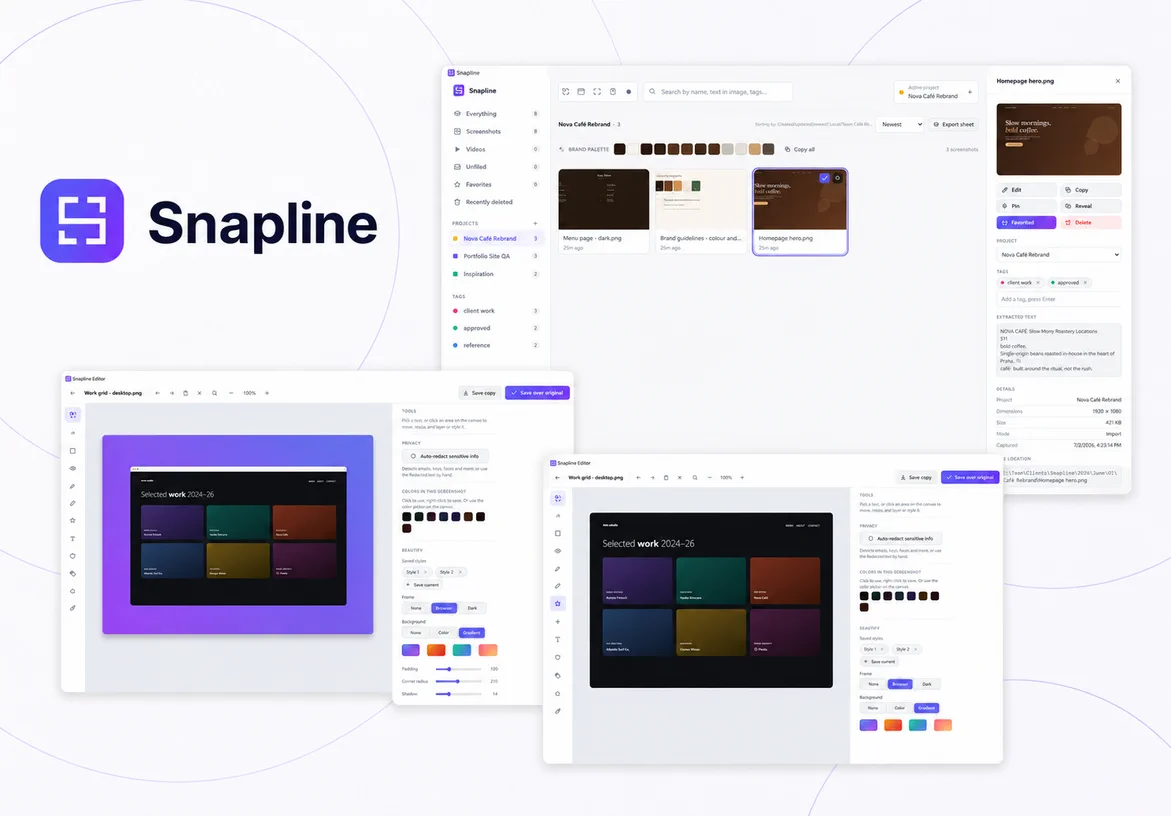
The Snapline case study can support a discussion of connecting identity to a software interface. It cannot establish how another business performed. Explain what an image demonstrates and what would require customer research or business data.
Use structured data to describe the visible page
Google Search Central: Article structured data describes Article and BlogPosting markup for information such as headline, author, images, and dates. The Google Search Central: Structured data guidelines requires markup to represent the page accurately. Match those details to what a visitor can read and check them when the article changes.
A visible FAQ can answer related buyer questions. Do not promise a rich result because FAQ markup is present. The useful work is the answer itself and its relevance to the article. A source list should also cite the pages that support reported facts, rather than using impressive names as decoration.
Check access and connections
- Keep the article reachable from the blog and relevant internal pages.
- Use a clear title, description, and canonical URL.
- Put important explanations in readable page text.
- Show the author, relevant example, and source credits.
- Review mobile readability, image loading, and the next step.
Link to services when the article explains what a client can commission, and to the portfolio when they need evidence. A useful article should still resolve its main question for someone who never contacts the studio.
Measure what the content helps people do
Compare relevant search queries, engaged visits, and the quality of project inquiries over time. Record what changed before drawing conclusions. A new page getting an inquiry is useful evidence of a contact; it is not proof that an AI feature caused it.
My case study guide develops the portfolio-evidence layer. This article is an editorial checklist for the branding question around it: what can the reader understand and decide after seeing the answer, the example, and the next step?
Frequently Asked Questions
Is special AI schema required for Google AI search?
No. Google says no special schema or additional optimization is required for AI Overviews or AI Mode. Apply established SEO practices and use accurate markup where appropriate.
Can a helpful branding article guarantee an AI citation?
No. Helpful content and technical eligibility do not guarantee indexing, ranking, or inclusion in an AI answer. Evaluate reader usefulness and observed results rather than promising placement.
Sources and Credits
- Google Search Central: AI features and your website
- Google Search Central: Helpful, reliable, people-first content
- Google Search Central: Article structured data
- Google Search Central: Structured data guidelines
Sources checked and article updated on 13 October 2026. Reported examples are attributed above; frameworks and fictional scenarios are design recommendations. Portfolio examples are my own work and do not imply measured client outcomes.
Does your website explain the brand work behind the visuals? We can connect your identity, portfolio evidence, and service offer into a clearer customer journey. Book a free consultation or explore design services.